


The Best Biscoff Cookie Butter Recipe
If you have ever tasted a jar of Biscoff cookie butter and wondered whether you could recreate that magic at home, the answer is a very enthusiastic yes. This spread is everything you love about those iconic spiced caramelized cookies, blended into a silky, scoopable paste that tastes incredible on toast, stirred into oatmeal, swirled into cheesecake, or eaten straight off the spoon with zero regret.
Making it from scratch takes less than ten minutes and only a handful of ingredients. Once you try the homemade version, the store-bought jar will start collecting dust.
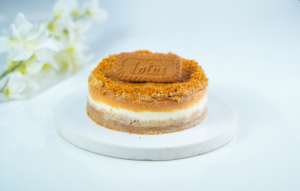
What Makes Cookie Butter So Irresistible
Cookie butter is exactly what it sounds like — cookies processed into a smooth, spreadable form. Biscoff cookies (also sold as Lotus cookies) are the classic base, and they bring a lot of flavor to the table on their own. They have a deep caramelized sweetness, a warm spice profile from cinnamon and hints of ginger, nutmeg, and cloves, and a slightly crisp, crumbly texture that blends into a paste beautifully.
When you process these cookies with a bit of fat and sweetness, you get something richer and more complex than a standard nut butter. There is no roasting, no soaking, no long prep. The cookies are already baked and spiced, which means most of the flavor work is already done for you. You are essentially just unlocking what is already there.
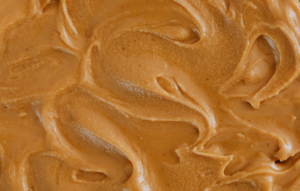
The texture lands somewhere between peanut butter and Nutella — spreadable, dense, and smooth enough to drizzle if you warm it up slightly.

Tips for the Best Results
Use a food processor, not a blender. A food processor handles the dry, crumbly cookie texture much better and gives you more control over the final consistency.
Pulse before blending. Start by pulsing the cookies into a fine crumb before running the processor continuously. This prevents large chunks from getting stuck under the blade.
Add oil gradually. Start with a smaller amount of oil and add more as needed. The consistency will shift quickly once the fat coats the crumbs, so it is easy to accidentally go too far. Add a teaspoon at a time until you hit the texture you want.
Use neutral oil for a cleaner cookie flavor. Refined coconut oil and vegetable oil both work well. If you want a slightly richer spread, a small amount of melted butter added alongside the oil gives it a more indulgent finish.
Taste before adding sweetener. Biscoff cookies are already sweet, so many people skip the extra sweetener entirely or add just a pinch of powdered sugar. Taste the mixture after blending and adjust from there.
Store it properly. Keep your cookie butter in a sealed jar at room temperature for up to two weeks, or refrigerate for up to a month. It will firm up in the fridge, so let it sit at room temperature for a few minutes before spreading.

Common Mistakes to Avoid
Over-processing it. If you run the food processor too long without stopping to check, you can push past creamy and into a slightly grainy or separated texture. Check the consistency every thirty seconds once it starts coming together.
Using too little oil. Some people try to make a low-fat version by skimping on the oil, but the result is a crumbly paste that does not spread well and dries out quickly. The oil is what gives cookie butter its signature silky consistency.
Adding liquid instead of oil. Water, milk, or cream will seize the mixture and make it thick and clumpy. Stick to fat-based liquids only — oil, melted butter, or coconut cream.
Skipping the scrape-down. Crumbs like to climb up the sides of the processor bowl. Stop and scrape everything back down toward the blade a few times during blending so everything incorporates evenly.
Ways to Use Biscoff Cookie Butter
Spread it on toast, croissants, waffles, or pancakes. Swirl it into vanilla ice cream or blend it into a milkshake. Use it as a filling for sandwich cookies, crepes, or thumbprint cookies. Stir a spoonful into brownie batter before baking. Layer it into a no-bake cheesecake or trifle. Mix it into buttercream for a cookie-flavored frosting. Drizzle it over banana slices or apple wedges for a quick dessert. Add a spoonful to your morning oatmeal or overnight oats.

RECIPE CARD
Homemade Biscoff Cookie Butter
Prep Time: 10 minutes Cook Time: 0 minutes Total Time: 10 minutes Yield: approximately 1 cup Category: Spreads, No-Bake Method: Food Processor
Ingredients
32 Biscoff cookies (approximately 250g / one standard package) 3 to 4 tablespoons neutral oil (refined coconut oil, vegetable oil, or canola oil) 1 to 2 tablespoons powdered sugar (optional, to taste) Pinch of salt (optional)
Instructions
- Add the Biscoff cookies to the bowl of a food processor. Pulse until they form a fine, even crumb with no large chunks remaining.
- With the processor running, drizzle in 3 tablespoons of oil and continue processing for 1 to 2 minutes, stopping to scrape down the sides as needed.
- Check the consistency. If it is still too thick or crumbly, add the remaining tablespoon of oil and continue processing until smooth and spreadable.
- Taste the mixture. If you want it sweeter, add powdered sugar one tablespoon at a time and blend to combine. Add a pinch of salt if desired.
- Transfer to a clean glass jar with a lid. Let it sit at room temperature for 5 minutes before using — it will loosen slightly as it rests.
- Store at room temperature for up to 2 weeks or refrigerate for up to 1 month.
Notes
-For a chunkier texture, reserve a few crushed cookie pieces and stir them in at the end instead of blending them in fully.
-For a creamier, richer version, substitute 1 tablespoon of the oil with 1 tablespoon of melted butter.
-Warm the cookie butter in the microwave for 10 to 15 seconds to get a drizzleable consistency perfect for topping ice cream or waffles.
Save pin for later